
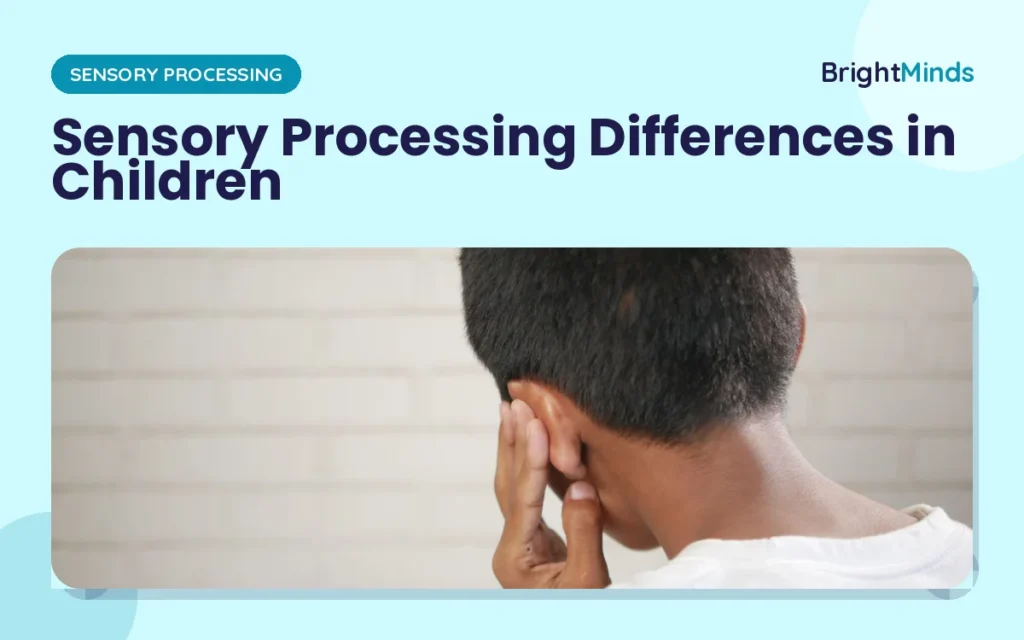
We all process information from our senses all day: sound, touch, sight, taste, smell, movement and body position. Some children experience these sensations much more strongly or much less strongly than others. These sensory processing issues are common in autistic children and children with ADHD, but they can occur in any child. This guide explains the signs and simple ways to help.
Table of Contents
Two common patterns
Over-responsive (sensory avoiding)
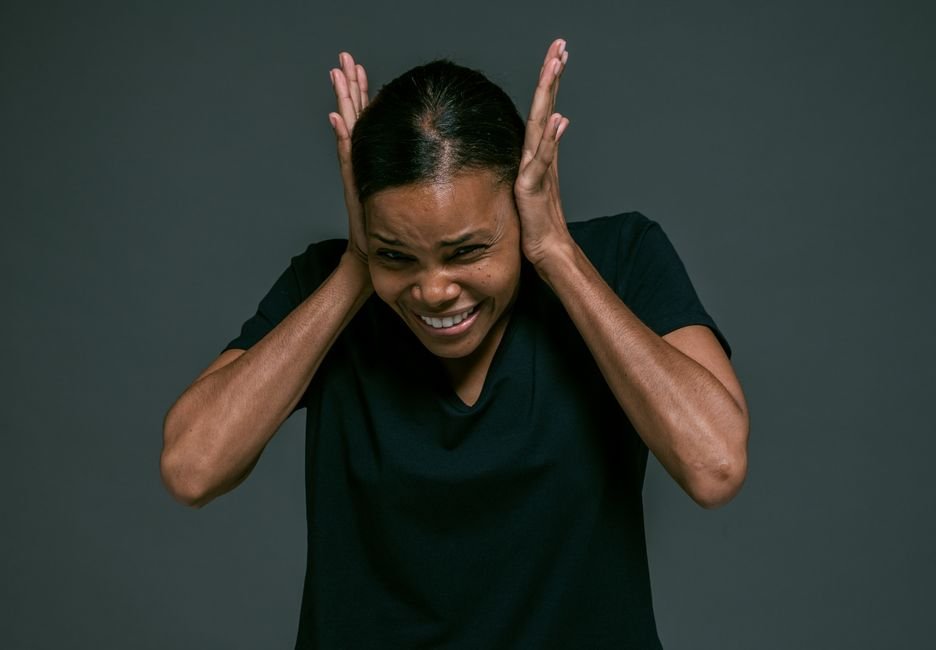
Sensations feel too intense. A child might:
- Cover their ears at everyday noises like hand dryers or vacuum cleaners.
- Refuse certain clothes because of seams, labels or textures.
- Dislike hair washing, haircuts or tooth brushing.
- Eat only a small range of foods with particular textures.
- Avoid messy play such as paint, sand or glue.
- Become upset in busy, bright or noisy places.
Under-responsive (sensory seeking)
Sensations feel too weak, so the child seeks more. A child might:
- Spin, jump, crash or climb constantly.
- Chew on clothes, pencils or toys.
- Seem not to notice pain, cold or being called.
- Touch everything and everyone.
- Love loud noise and rough play.
The less obvious senses
As well as the familiar five senses, there are three that affect behaviour a lot:
- Vestibular: sense of balance and movement, from the inner ear.
- Proprioception: sense of where the body is and how much force to use, from muscles and joints.
- Interoception: sense of what is happening inside the body, such as hunger, thirst or needing the toilet.
A child who presses too hard with a pencil or bumps into things may be getting less proprioceptive feedback. A child who does not notice they need the toilet may have differences in interoception.
How sensory differences affect behaviour
When sensations are overwhelming, a child may become anxious, irritable or shut down, or have a meltdown. What looks like “bad behaviour” is often a response to discomfort. Noticing sensory triggers can help you reduce distress before it builds. Our guide to calm-down strategies explains how to spot early warning signs.
Simple ways to help at home
- Keep a sensory diary for a week: what happened, where, and what your child was reacting to.
- Reduce triggers: cut out labels, use ear defenders in noisy places, dim harsh lights.
- Offer safe ways to seek input: a trampoline, a swing, a chew toy, heavy-work jobs like carrying shopping.
- Warn before sensations: “I am going to turn on the blender. Three, two, one.”
- Build in calm time after busy or noisy activities.
- Practise listening in a calm way: the free Sound Match game lets children replay sounds as many times as they like.
When to get help
If sensory differences make daily life very hard (eating, dressing, sleeping or going out), ask your GP or health visitor about a referral to an occupational therapist (OT). An OT can assess your child’s sensory needs and suggest a personalised plan.
Free to play, no sign-up
Practise this with a free BrightMinds game
- Sound Match: Listen to a sound and tap the matching picture. Builds listening and phonics skills.
- Memory Game: Flip-and-match tiles with a choice of difficulty and theme, and no time pressure.
Frequently Asked Questions
Is sensory processing disorder a diagnosis?
It is not a separate diagnosis in the main diagnostic manuals, but sensory differences are widely recognised, especially in autism and ADHD. Occupational therapists can assess sensory needs.
Can a child be both sensory seeking and sensory avoiding?
Yes. Many children avoid some sensations (like loud noise) and seek others (like spinning or deep pressure).
Sources and further reading
- National Autistic Society: guidance on sensory differences.
- Royal College of Occupational Therapists: how occupational therapy can help.


