
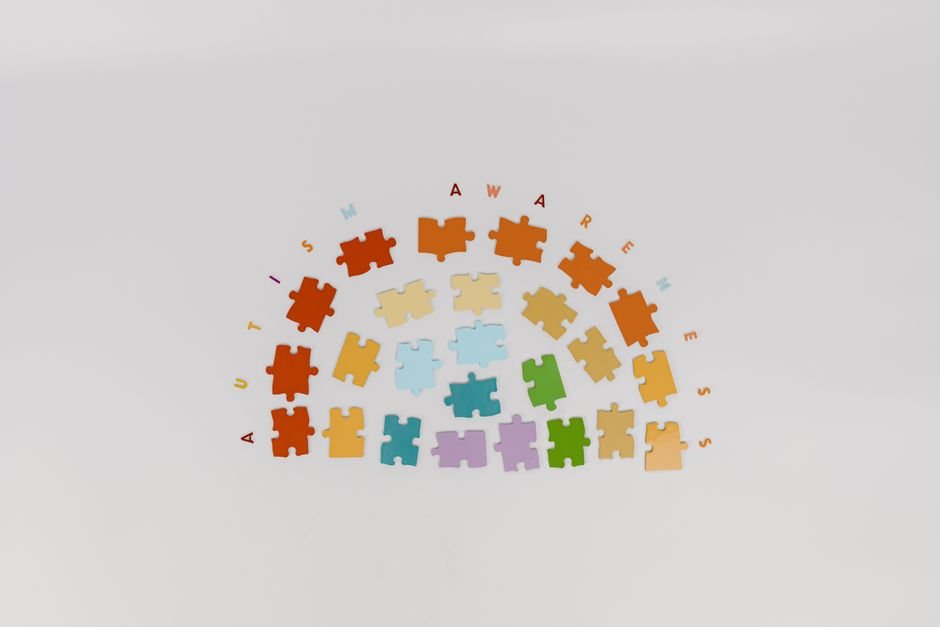
Finding the right learning activities for autistic children can feel overwhelming, but research shows that structured, sensory-aware and interest-led approaches make a genuine difference. According to the National Autistic Society, around 1 in 100 people in the UK are autistic, and early, tailored learning support significantly improves long-term outcomes. The good news is that many effective activities are simple, affordable and can be done at home or in the classroom.
Why Standard Learning Methods Often Fall Short for Autistic Children
Many autistic children experience the world differently from their neurotypical peers. Sensory sensitivities, differences in communication and a preference for routine mean that traditional classroom teaching does not always connect.
Simple, tactile and screen-free — perfect for building focus and early learning skills in autistic children.
ⓘ Affiliate link — we may earn a small commission at no extra cost to you.
Table of Contents
- Why Standard Learning Methods Often Fall Short for Autistic Children
- Effective Learning Activities for Autistic Children at Home
- Classroom-Based Strategies That Support Autistic Learners
- The Role of Play and Sensory Activities in Cognitive Development
- Tips for Choosing the Right Activities for Your Child
- Conclusion: Building a Learning Routine That Works
Up to 70% of autistic children also have an additional learning need, such as ADHD or dyslexia, which adds another layer of complexity. Activities that feel natural to one child may cause anxiety or shut-down in another.
Understanding this helps parents and teachers move away from one-size-fits-all approaches and towards learning that genuinely fits the child. The key is to observe, adapt and be patient.
Effective Learning Activities for Autistic Children at Home
Home is where many autistic children feel safest, making it an ideal space for learning. The following activities are well-supported by occupational therapists, SENCO teachers and autism specialists.
- Visual schedules and task boards: Using picture cards or apps like Proloquo2Go helps children understand what comes next, reducing anxiety and improving focus.
- Sensory bins: Filling a tub with rice, sand or kinetic sand encourages fine motor skills and calm, focused engagement.
- Lego-based learning: LegoLearn and Lego Therapy programmes are used by therapists worldwide to build language, maths and social skills through structured play.
- Cooking activities: Simple recipes teach sequencing, counting, reading and following instructions in a real-world context.
- Educational apps and quiz games: Digital tools designed for special needs learners offer low-pressure, repeatable practice with instant positive feedback.
Consistency matters. Running the same activity at the same time each day helps autistic children feel secure enough to engage and actually learn.
Classroom-Based Strategies That Support Autistic Learners
Teachers play a vital role in making learning accessible. Schools in the UK follow guidance from the SEND Code of Practice, which requires reasonable adjustments for all learners with special educational needs.
Practical classroom learning activities for autistic children include structured group work with clearly defined roles, visual timetables displayed on the board and the use of fidget tools or weighted lap pads to support sensory regulation.

- Use low-distraction workstations or quiet corners for focused tasks.
- Offer choice boards so children feel a sense of control over their learning.
- Incorporate a child’s special interests into lessons. If a child loves dinosaurs, use dinosaurs in maths problems and reading exercises.
- Allow movement breaks every 20 to 30 minutes to help with regulation and attention.
Research from the University of Birmingham found that interest-based learning increased task engagement in autistic pupils by over 40%. This reinforces what many experienced teachers already know: motivation is the gateway to learning.
The Role of Play and Sensory Activities in Cognitive Development
Play is not separate from learning for autistic children. It is often the primary vehicle through which they build cognitive, social and language skills.
Sensory play in particular supports brain development. Activities like water play, finger painting and playdough manipulation activate multiple sensory pathways, helping the brain build new connections.
- Cause and effect toys teach early science and logic concepts.
- Role-play scenarios help develop theory of mind and communication skills.
- Music therapy and rhythm activities, such as those used in the Nordoff-Robbins approach, support language processing and emotional regulation.
- Outdoor nature play builds attention, reduces cortisol levels and encourages curiosity-driven exploration.
Apps and quiz-style games designed for autistic learners are also increasingly popular. They offer a controlled, predictable environment where children can practise skills at their own pace without social pressure.
Tips for Choosing the Right Activities for Your Child
Not every activity works for every child. Autistic children are individuals, and what engages one may frustrate another. Here are some guidelines to help you choose wisely.
Always start with the child’s own interests and strengths. Build activities around what already captures their attention rather than trying to force engagement with unfamiliar topics.
- Observe what the child gravitates towards naturally during free time.
- Introduce new activities gradually, paired with something already familiar and enjoyable.
- Keep sessions short. Fifteen focused minutes often beats an hour of frustrated effort.
- Use visual instructions rather than verbal-only explanations wherever possible.
- Celebrate effort and small wins consistently. Positive reinforcement builds confidence and willingness to try again.
Speak with your child’s SENCO, occupational therapist or autism support worker for personalised recommendations. Organisations like the National Autistic Society and Autism Speaks also publish free activity guides for families.
Conclusion: Building a Learning Routine That Works
The most effective learning activities for autistic children are those built around the individual child’s sensory profile, interests and communication style. There is no single perfect method, but a consistent, flexible and strengths-based approach makes an enormous difference over time. Start small, observe closely and celebrate every step forward. To explore free educational quiz games and activities designed specifically for children with autism and other learning needs, visit our Special Needs Tips section.