
Finding the right classroom activities for special needs students can make a real difference to how children learn, engage and grow in confidence. Whether you are a teacher supporting a child with autism, ADHD, dyslexia or Down Syndrome, or a teaching assistant looking for fresh ideas, the right activity at the right time can unlock potential that traditional lessons sometimes miss. This guide shares practical, free and low-cost ideas that work across a wide range of needs and abilities.
Why Inclusive Classroom Activities Matter for Special Needs Students
Children with special educational needs and disabilities (SEND) often learn differently from their peers. A classroom that offers varied, inclusive activities gives every child a fair chance to participate and succeed. Research from the National Autistic Society (UK) shows that structured, predictable routines combined with sensory-friendly learning activities significantly reduce anxiety and improve focus in autistic children.
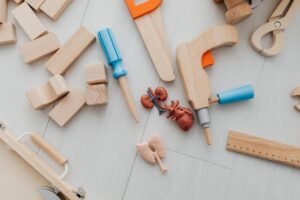
Classic hands-on sensory toy that builds fine motor skills and focus for children with diverse learning needs.
ⓘ Affiliate link — we may earn a small commission at no extra cost to you.
Table of Contents
- Why Inclusive Classroom Activities Matter for Special Needs Students
- Free Classroom Activities Special Needs Students Can Do Every Day
- Sensory Bins and Sorting Tasks
- Morning Circle Time
- Free Educational Quiz Games
- Practical Art and Craft Activities for Special Educational Needs
- Movement and Physical Activities to Support Learning
- Conclusion: Making Classroom Activities Work for Every Child
Inclusive activities also build social skills, communication and self-esteem. When a child with Down Syndrome joins a group sorting activity, or a child with dyslexia thrives in a hands-on science task, the whole class benefits from the diversity of approaches used.
Key reasons why varied activities matter:
- They accommodate different learning styles, including visual, kinaesthetic and auditory learners.
- They reduce reliance on reading and writing, which can be barriers for children with dyslexia or speech delay.
- They promote peer interaction and reduce social isolation.
- They allow teachers to differentiate without singling out individual children.
Free Classroom Activities Special Needs Students Can Do Every Day
You do not need expensive resources to run effective lessons. Many of the best classroom activities for special needs students cost nothing at all. Below are some tried and tested ideas used in SEND classrooms across the UK, US and Australia.
Sensory Bins and Sorting Tasks
Fill a plastic tub with rice, sand or dried pasta and hide small objects inside. Children reach in, find an object and sort it by colour, shape or size. Sensory bins support fine motor skills, focus and language development and are particularly effective for children with autism and ADHD.
Morning Circle Time
A short, structured group session at the start of the day can include the date, weather, a feelings check-in and a simple game. Circle time builds routine and communication skills. Tools like the Zones of Regulation programme, widely used in UK schools, help children identify and talk about their emotions in a safe setting.
Free Educational Quiz Games
Digital tools like BrightMinds Quiz offer free educational quiz games designed specifically for children with autism, ADHD, dyslexia, Down Syndrome and other learning disabilities, aged 3 to 14. These games use simple visuals, clear language and rewarding feedback, making them ideal for short bursts of independent or group learning on a tablet or interactive whiteboard.

- Choose a topic linked to your current theme, such as animals, colours or numbers.
- Let children take turns answering questions on the class screen.
- Celebrate every correct answer with verbal praise or a sticker chart.
Practical Art and Craft Activities for Special Educational Needs
Art is a powerful tool in SEND classrooms because it does not require reading or writing. Children with cerebral palsy, global developmental delay or speech delay often communicate most freely through creative activities. Simple craft sessions can be adapted for any ability level.
Effective art activities include:
- Finger painting with non-toxic paint on large sheets of paper.
- Collage making using magazine pictures, fabric scraps and natural materials.
- Playdough modelling to strengthen hand muscles and encourage imaginative play.
- Printing with sponges, vegetables or stampers to explore pattern and colour.
Art activities can be tied to curriculum topics. A class studying the seaside can create collages of shells and waves. A group learning about animals can paint their favourite creature. This cross-curricular approach helps children with ADHD stay engaged because the activity feels purposeful and exciting rather than repetitive.
Movement and Physical Activities to Support Learning
Children with ADHD, autism and sensory processing differences often find it hard to sit still for long periods. Building movement into the school day is not a distraction from learning. It is part of it. Studies published in the journal Frontiers in Psychology found that short movement breaks of five to ten minutes improve attention and on-task behaviour in children with ADHD.
Simple movement-based classroom activities for special needs students include:
- Yoga and stretching sessions using free resources from Cosmic Kids Yoga on YouTube.
- Action songs and dance breaks tied to lesson themes.
- Simon Says games that build listening skills and body awareness.
- Obstacle courses using cushions, hoops and beanbags set up in the classroom or hall.
- Counting or spelling activities where children jump, clap or stamp out answers.
Conclusion: Making Classroom Activities Work for Every Child
The best classroom activities for special needs students share a few common qualities. They are clear, structured, sensory-friendly and flexible enough to meet different ability levels. They celebrate effort over accuracy and give every child a way to participate and succeed.
You do not need a large budget to make your classroom more inclusive. Free tools like BrightMinds Quiz, open-access programmes like Zones of Regulation and simple sensory and art activities can transform the learning experience for children with autism, ADHD, dyslexia, Down Syndrome and many other needs.
Start small, observe what works, and build a toolkit of activities that your students love. When children feel safe, engaged and valued in the classroom, learning happens naturally. That is the goal for every teacher and every child.
Visit our Special Needs Tips section for more resources on Quiz.