AAC stands for augmentative and alternative communication: any way of communicating other than speech. For children who are non-speaking or find talking hard, AAC can open up a way to ask, comment, joke and share. This beginner’s guide to AAC for children explains the main types, common myths, and simple ways to use AAC at home every day.
Table of Contents
What counts as AAC?
AAC is a broad term. It includes:
- Unaided AAC: no equipment needed, such as gestures, facial expressions and sign language (for example Makaton or Signalong in the UK).
- Low-tech AAC: paper-based tools such as picture cards, communication boards, choice boards and communication books.
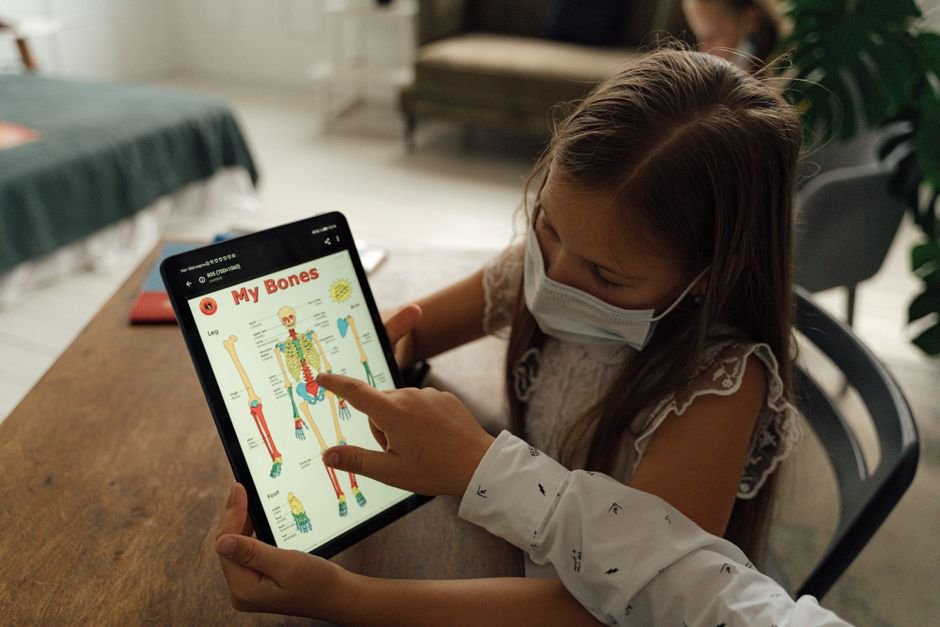
- High-tech AAC: electronic devices and tablet apps that speak a word or phrase when a symbol is pressed, sometimes called speech-generating devices.
Most children use a mix. A child might sign “more” at the dinner table, point to pictures at bath time and use a tablet app at school.
Who can benefit from AAC?
AAC can help children with many different needs, including autism, cerebral palsy, Down syndrome, childhood apraxia of speech, developmental delay and genetic conditions. It can be a short-term bridge while speech develops or a long-term way of communicating.
Common myths about AAC
“AAC will stop my child from talking.”
This is the most common worry, and research does not support it. Studies generally find that AAC does not stop speech developing, and for some children it may support it. Reducing frustration and giving children a way to communicate is valuable in itself.
“My child is too young.”
There is no minimum age for AAC. Young children can benefit from simple picture choices and signs.
“My child needs certain skills first.”
Children do not need to pass a test before being offered AAC. They learn to use it by seeing it used around them.
“AAC is a last resort.”
AAC works best when it is introduced early, alongside other therapy, not after everything else has been tried.
Getting started
A speech and language therapist (SLT) is the best person to assess your child and recommend the right AAC system. They will consider your child’s understanding, movement, vision and preferences. In the UK, specialist AAC services can assess for high-tech devices; ask your child’s SLT about a referral.
While you wait, you can start with simple low-tech supports at home.
Using AAC at home: five key habits
1. Model, model, model
Children learn to talk by hearing speech for years before they speak. Children learn AAC the same way: by seeing others use it. Point to the symbols or press the buttons as you talk: “Let’s go outside.” This is called aided language modelling.
2. Keep it available
AAC only helps if it is within reach. Keep the communication board or device with your child at meals, play, outings and bath time (use a waterproof version or a laminated card).
3. Start with powerful words
Words like “more”, “stop”, “help”, “go”, “mine”, “like” and “not” can be used in many situations. These “core words” give your child more power than a page of nouns.
4. Wait
After asking a question or offering a choice, wait. Count to ten in your head. Many children need extra time to find a symbol or plan a movement.
5. Respond to every attempt
Treat every communication as meaningful. If your child presses “more”, give more, even if you think they pressed it by accident. This teaches that their communication has power.
AAC in play and learning
Play is a great time to practise. During a game, model words like “my turn”, “again”, “uh oh” and “finished”. Learning games where children answer by tapping pictures, like the free BrightMinds quiz or Sound Match, let non-speaking children show what they know without needing to speak. Keep their AAC nearby so they can comment as they play. Our guide to learning games for nonverbal children has more ideas.
Working with school
Share your child’s AAC system with school and ask that it goes everywhere with them. Using the same symbols and words at home and school helps your child learn faster.
For more support, browse our speech and language guides.
Free to play, no sign-up
Practise this with a free BrightMinds game
- BrightMinds Quiz: Short picture quizzes on letters, numbers and emotions for ages 3 to 14.
- Sound Match: Listen to a sound and tap the matching picture. Builds listening and phonics skills.
Frequently Asked Questions
Will AAC stop my child from learning to talk?
Research does not support this worry. AAC generally does not hold back speech and may support it.
Is my child too young for AAC?
There is no minimum age. Simple picture choices and signs can be used with very young children.
Who can help choose an AAC system?
A speech and language therapist, who can also refer to a specialist AAC service for high-tech devices.
Sources and further reading
- ASHA: Augmentative and Alternative Communication: overview for families.
- Communication Matters: UK charity supporting people who use AAC.


