
A social story is a short, simple story that explains a situation, what usually happens and what a child might do. Social stories are widely used with autistic children to prepare for new experiences, like a dentist visit, a new school or a birthday party. This guide shows how to write a social story step by step, with an example you can adapt today.
Table of Contents
What is a social story?
The approach was developed by Carol Gray, a teacher in the United States, in the early 1990s. Her method (Social Stories™) has specific guidelines, but the general idea is now used widely by parents and teachers: describe a situation calmly and clearly, from the child’s point of view, so it feels less uncertain.
A good social story:
- Shares accurate information in a reassuring way.
- Explains what happens and why, not just what the child must do.
- Uses simple language and often pictures.
- Is positive and patient in tone, never a telling-off.
When social stories help
- New experiences: first day at school, a haircut, a hospital appointment, a holiday flight.
- Changes: a new baby, moving house, a different teacher.
- Everyday routines that cause stress: washing hair, using a public toilet, waiting in a queue.
- Social situations: taking turns, joining a game, what happens at a party.
- Celebrating success: some stories simply describe something your child did well.
How to write a social story: step by step
Step 1: Pick one situation
Choose a single, specific situation. “Going to the dentist on Tuesday” is better than “being brave”.
Step 2: Find out the details
What will actually happen? Who will be there, what will it look and sound like, and how long will it take? If possible, visit the place or look at photos online first. Accurate details are what make a story reassuring.
Step 3: Write from your child’s point of view
Use “I” (first person) for younger children, or “you” or their name for older children if they prefer. Keep sentences short.
Step 4: Mostly describe, gently guide
Most sentences should describe what happens and why. Only a few should suggest what your child could do, and these should be phrased gently, using words like “I can try” or “I might”, rather than “I must”.
Step 5: Include feelings and reassurance
Acknowledge that something might feel strange or loud, and say what will help. “The drill might be noisy. I can hold my squishy toy.”
Step 6: Add pictures
Use photos of the real place and people where you can, or simple drawings or symbols. One picture per page or per sentence works well.
Step 7: Keep it short
For young children, 5 to 10 short sentences is plenty. Older children may like more detail.
Example: Going to the dentist
On Tuesday, I am going to the dentist.
The dentist helps keep my teeth healthy.
Mum will come with me in the car.
At the dentist, we sit in the waiting room. There are chairs and some books.
When it is my turn, a person will say my name.
I will sit in a big chair. The chair can move up and down.
There is a bright light so the dentist can see my teeth.
The dentist will count my teeth with a small mirror. It does not hurt.
I can hold my squishy toy if I want to.
When the dentist is finished, we go home. I did it!
How to use the story
- Read it at a calm time, a few days before the event and again on the day.
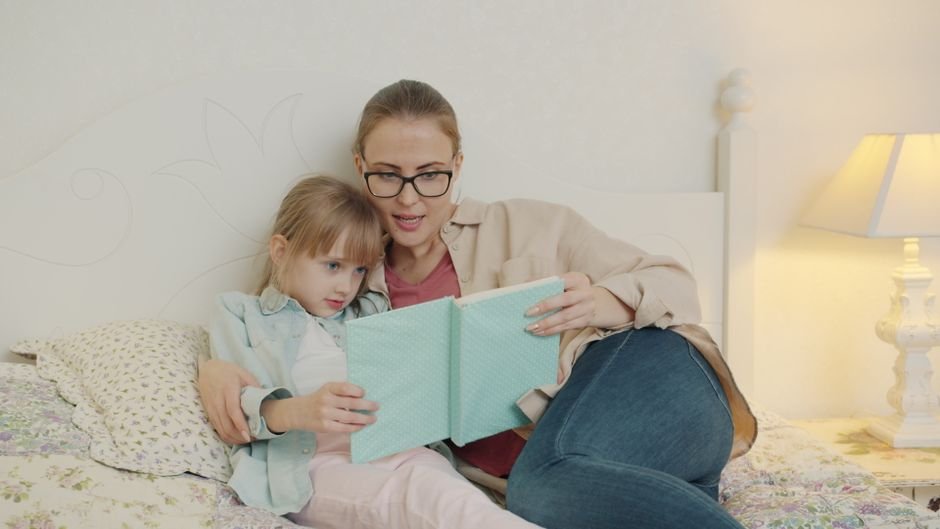
- Read it together, slowly, letting your child look at the pictures.
- Keep it available so your child can look at it again on their own.
- Do not use it as a punishment or read it straight after something has gone wrong.
- Update it if things change.
Social stories and other visual supports
Social stories work well alongside a visual schedule, which shows the order of the day. Together, they answer “what is happening?” and “what will it be like?”. Emotion-recognition practice also helps children name the feelings mentioned in stories. Our guide to emotion recognition activities and the free emotions quiz are good starting points.
Common mistakes to avoid
- Too many instructions. If most sentences say what the child must do, it becomes a rule list.
- Promises you cannot keep. Avoid “it will not hurt” if you are not sure. Try “it usually does not hurt”.
- Too long. A story your child loses interest in will not help.
- Vague language. “Soon” and “later” are less helpful than “after lunch”.
For more ideas, see our guide to learning activities for autistic children.
Free to play, no sign-up
Practise this with a free BrightMinds game
- Emotions Quiz: Match faces to feelings in a calm, predictable quiz format.
- BrightMinds Quiz: Short picture quizzes on letters, numbers and emotions for ages 3 to 14.
Frequently Asked Questions
How long should a social story be?
Five to ten short sentences for young children. Older children may like more detail.
When should I read the social story?
At calm times, a few days before the event and again on the day. Never as a punishment.
Can social stories be used for good news?
Yes. Some stories simply describe something your child did well, which builds confidence.
Sources and further reading
- Carol Gray Social Stories: the original approach and guidelines.
- National Autistic Society: guidance on social stories and comic strip conversations.


