
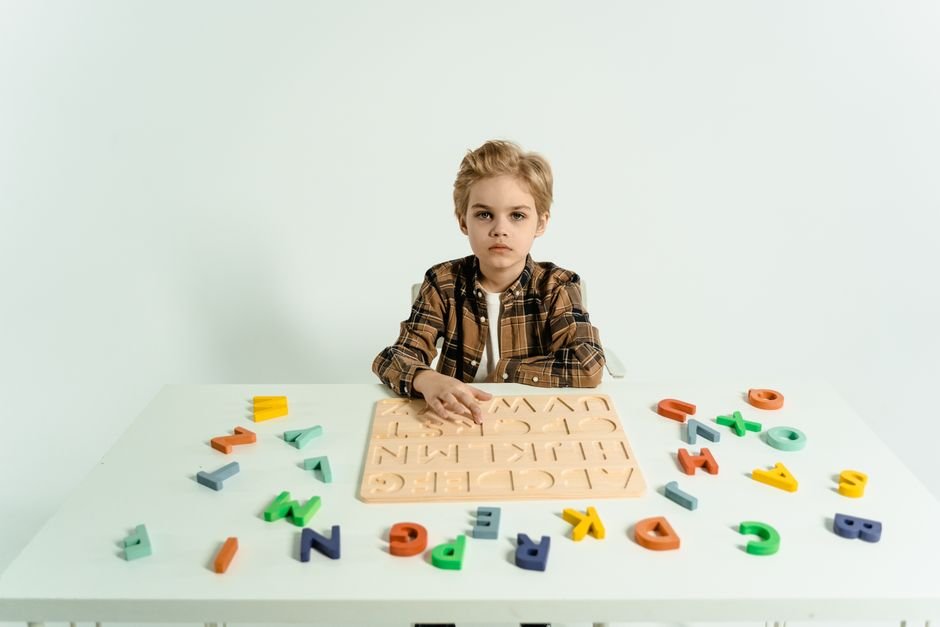
Helping a child with speech delay learn the alphabet can feel like a big challenge, but with the right approach it is absolutely achievable. A child speech delay alphabet learning plan does not need to be complicated. It simply needs to be consistent, multisensory and tailored to how that child communicates best. Whether your child has a speech delay alongside autism, Down Syndrome or a global developmental delay, the strategies in this article can make a real difference.
Understanding Why the Alphabet Is Harder for Children with Speech Delay
Children with speech delay often struggle with the sound-letter connection that most alphabet learning relies on. Traditional methods like singing the ABC song depend on a child being able to vocalise sounds clearly. For many children with speech delays, this is not yet possible, and that can lead to frustration for both child and parent.
Press each letter to hear its sound and name, making phonics fun without requiring children to vocalise first.
ⓘ Affiliate link — we may earn a small commission at no extra cost to you.
Table of Contents
- Understanding Why the Alphabet Is Harder for Children with Speech Delay
- Multisensory Methods That Support Child Speech Delay Alphabet Learning
- Using Technology and Apps to Reinforce Alphabet Skills
- How Parents and Teachers Can Structure Daily Alphabet Practice
- Conclusion: Building Confidence Through the Right Child Speech Delay Alphabet Approach
Around 1 in 12 children in the UK experience some form of speech, language or communication difficulty, according to the Royal College of Speech and Language Therapists. This means millions of families are looking for better ways to support early literacy skills, including alphabet recognition.
The key is separating letter recognition from letter pronunciation. A child can learn to identify, match and sequence letters visually long before they can say them aloud. This is a powerful starting point for building confidence and early reading readiness.
Multisensory Methods That Support Child Speech Delay Alphabet Learning
Multisensory learning is one of the most evidence-backed approaches for children with speech delays, dyslexia and learning disabilities. It engages more than one sense at a time, helping the brain form stronger connections.
Here are some highly effective multisensory techniques:
- Tactile letter tracing using sandpaper letters, foam letters in a sensory bin, or finger painting letters in shaving cream
- Visual flashcards with bright, clear images that connect each letter to a familiar object, such as A for Apple
- Body movement to form letter shapes, inspired by programmes like Jolly Phonics, which uses actions and sounds together
- Wooden alphabet puzzles by brands like Melissa and Doug, which encourage hands-on letter matching
- Magnetic letters on a fridge or whiteboard for low-pressure, playful exploration
For children who are non-verbal or minimally verbal, pointing, matching and sorting activities can replace spoken responses entirely. Progress is still real and meaningful.
Using Technology and Apps to Reinforce Alphabet Skills
Educational technology has opened up incredible new pathways for children who learn differently. Apps and online quiz games designed for children with special needs can make the child speech delay alphabet journey more engaging and accessible.

BrightMinds Quiz offers free educational quiz games specifically designed for children with autism, ADHD, dyslexia, Down Syndrome and speech delays, ages 3 to 14. The games use simple visuals, repetition and positive reinforcement, which are all crucial for children with communication challenges.
Other useful tools include:
- Endless Alphabet by Originator Inc., which uses animated characters to make letter sounds fun and memorable
- Starfall ABCs, a web-based programme widely used in schools and homes for early phonics support
- Proloquo2Go, an AAC (Augmentative and Alternative Communication) app that can be paired with alphabet activities for non-verbal learners
Limit screen sessions to 10 to 15 minutes and follow up with a hands-on activity to reinforce what was learned digitally.
How Parents and Teachers Can Structure Daily Alphabet Practice
Consistency matters more than duration. Short, daily sessions are far more effective than one long weekly session. Aim for 5 to 10 minutes of focused child speech delay alphabet practice each day, embedded into natural routines.
Practical tips for structuring daily learning include:
- Focus on one letter per week rather than overwhelming the child with all 26 at once
- Use the child’s name as a starting point, as familiar letters carry personal meaning and motivation
- Create a visual alphabet display at the child’s eye level in their bedroom or classroom
- Celebrate every recognition milestone, no matter how small, with praise, stickers or a favourite activity
- Work closely with a speech and language therapist (SALT) who can advise on phonological awareness goals
Research from the National Literacy Trust found that children who engage in shared reading and literacy activities at home are six months ahead in reading development compared to those who do not. Even low-pressure alphabet exposure at home makes a measurable difference.
Conclusion: Building Confidence Through the Right Child Speech Delay Alphabet Approach
Supporting a child with speech delay to learn the alphabet is a journey that requires patience, creativity and the right tools. There is no single perfect method, but combining multisensory activities, technology and structured daily routines gives every child the best possible chance to succeed.
Every child, regardless of their speech delay or additional needs, has the capacity to learn and grow. The goal is not perfection but progress. Recognising a letter one day, matching it the next and eventually associating it with a sound are all meaningful steps forward.
Explore free resources like BrightMinds Quiz to make alphabet learning a positive, enjoyable experience. With the right support from parents, carers and teachers, children with speech delays can build a strong foundation in literacy that serves them for life.